San Bernardino County, from rancho to suburb
The History of Chino Hills
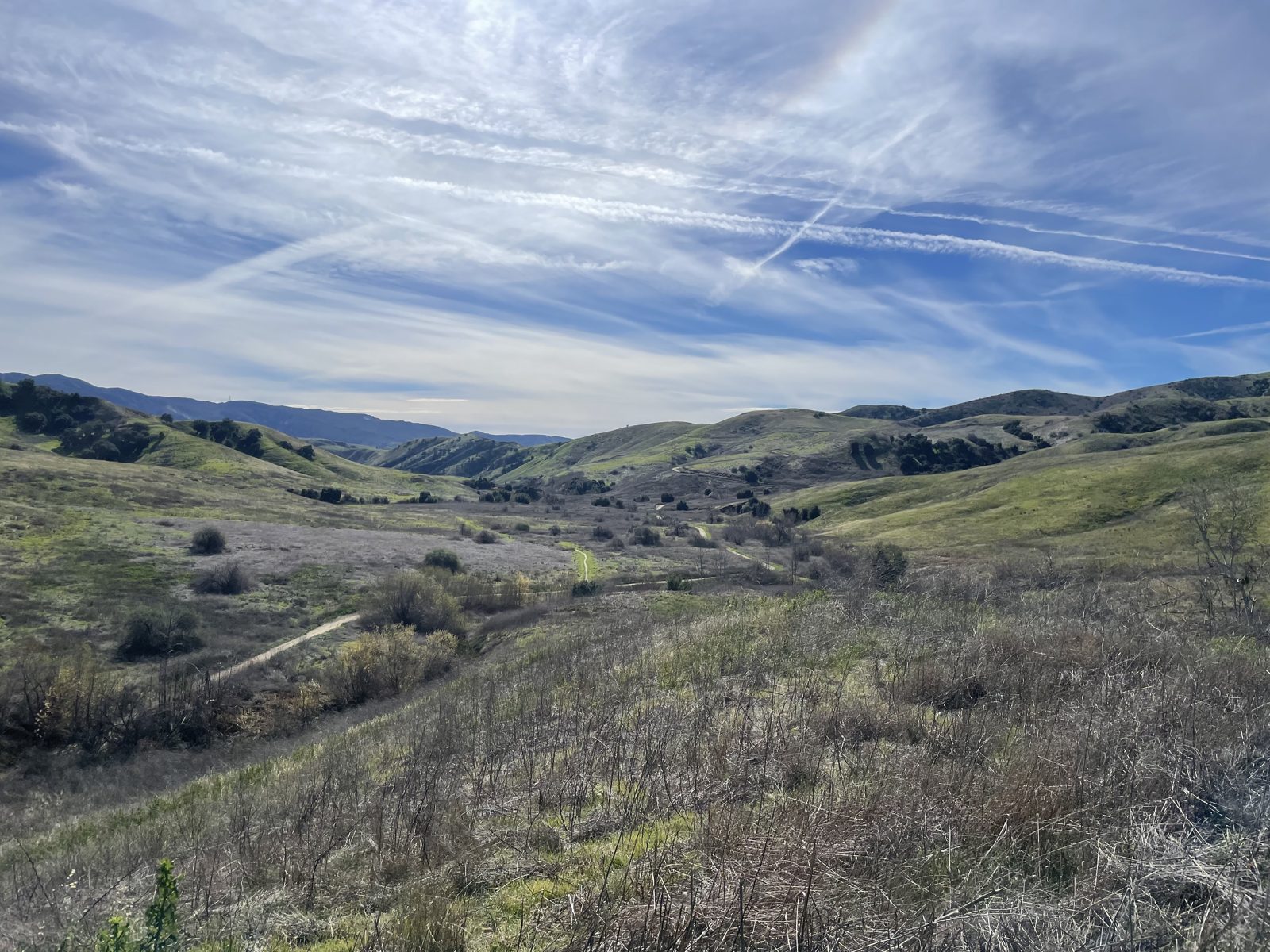
Chino Hills began as Tongva ground, became part of the 1841 Rancho Santa Ana del Chino, and stayed cattle and dairy range for more than a century while the town of Chino grew in the valley below. Master-planned subdivisions filled the hillsides from the 1970s onward, and on December 1, 1991 residents incorporated their own city after voting to break from direct San Bernardino County rule. A 2008 earthquake, a 2008 wildfire and a 2016 state basketball title later, it remains a suburb with a genuinely wild backyard in Chino Hills State Park.
Quick facts
- Incorporated
- December 1, 1991
- Residents voted to break away from unincorporated San Bernardino County control and became California's newest city that year.
- The land
- Rancho Santa Ana del Chino
- Granted in 1841 to Antonio María Lugo's son-in-law Isaac Williams, the rancho covered the flatlands and hills that became Chino and Chino Hills.
- The name
- The hills above Chino
- Chino Hills sits in the rolling terrain between the Chino Valley dairy flats and Orange County, and took its name from the older town of Chino below it.
- What built it
- Cattle, dairy, then subdivisions
- Grazing and dairy country for a century, Chino Hills stayed rural until the 1970s-80s suburban boom filled the hillsides with master-planned tract homes.
- Size and setting
- ~45 square miles
- Rolling hills between the Chino Valley and Orange County, anchored by the Puente-Chino Hills wildlife corridor and Chino Hills State Park.
- Today
- ~78,000 residents
- A San Bernardino County suburb known for its parks, its schools and its 2016 state basketball champions, the Ball brothers' Chino Hills Huskies.
Eight eras that made Chino Hills
Before 1841
Tongva ground, not empty ground
Long before ranchos or freeways, the hills and canyons that became Chino Hills were Tongva (Gabrielino) land, part of a wider territory that stretched across the Los Angeles basin and into the inland valleys. The canyons — Carbon Canyon among them — offered water, oak groves and game that made the area livable well before Spanish or Mexican land grants arrived. As with most of coastal and inland Southern California, colonization erased most visible trace of that occupation, but the natural corridors those communities used are the same ones that later became roads and later still became the Puente-Chino Hills wildlife corridor.
- Tongva/Gabrielino homeland
- Carbon Canyon water and oak groves
- Pre-1841
1841–1880
Rancho Santa Ana del Chino
In 1841 the Mexican governor granted Rancho Santa Ana del Chino — over 22,000 acres of the Chino Valley and surrounding hills — to Antonio María Lugo, who passed working control to his son-in-law Isaac Williams. Williams built an adobe headquarters and ran cattle across the grant, and the rancho became a waypoint on the trail between Los Angeles and points east. That role put it in the middle of the Mexican-American War: in September 1846 Californio forces attacked Isaac Williams's fortified adobe in what is remembered as the Battle of Chino, a skirmish that ended with the defenders' surrender but little bloodshed. American annexation of California in 1848 left the rancho's boundaries intact but opened the door to the land sales that followed.
- Rancho granted 1841
- Isaac Williams's adobe
- Battle of Chino, September 1846
1881–1900
Richard Gird founds Chino and plants sugar beets
In 1881 Richard Gird — flush with Tombstone silver money — bought the Chino portion of the old rancho and founded the town of Chino down in the valley, laying out streets, building the Chino Valley Railroad, and planting sugar beets to feed a new refinery. The hills above the valley stayed what they had always been: open cattle and dairy range, too steep and dry for beet fields, valuable mainly for grazing. That split — a planned agricultural town in the flats, undeveloped hill country above it — set the pattern that held for the next ninety years, with Chino Hills existing only as ranch land and place names rather than as a town of its own.
- Richard Gird buys in, 1881
- Chino Valley Railroad
- Sugar beets in the flats, cattle in the hills
1900s–1920s
Resort golf and rural cabins arrive
The hills gained their first recreational identity in this stretch. Los Serranos Country Club opened in 1925 as a golf resort that drew a Hollywood clientele down from Los Angeles for weekends in the country, its clubhouse and two courses becoming the area's first real landmark. In the same decade, small cabin communities went up in Carbon Canyon — Sleepy Hollow among them — as a rustic retreat within driving distance of the city. Boys Republic, a home and school for troubled youth, had already been founded in 1907 on a campus that would become one of the hills' longest-running institutions, known for its Della Robbia Christmas wreaths and for alumni including actor Steve McQueen.
- Los Serranos Country Club, 1925
- Sleepy Hollow cabins, Carbon Canyon
- Boys Republic founded 1907
1930s–1960s
Dairy preserve country
For decades the flats and lower hills around Chino were part of the Chino Dairy Preserve, one of the densest concentrations of dairy operations in the country, and the hills stayed cattle range and open grassland with a scattering of ranch homes. There was no incorporated town, no central commercial strip, and little reason for one — the land's value was agricultural, and the nearest services were down in Chino or over in Orange County. Carbon Canyon Road and the older ranch roads were the only real infrastructure. This was the last long stretch of Chino Hills as genuinely rural country before postwar Southern California came looking for buildable hillside.
- Chino Dairy Preserve nearby
- Cattle range, minimal development
- Carbon Canyon Rd as the main route
1970s–1991
The master-planned boom, then a vote for independence
Starting in the 1970s and accelerating through the 1980s, developers graded the hills into curving streets of tract homes, and Chino Hills grew from a scattering of ranches into a dense unincorporated suburb of tens of thousands of people — governed, awkwardly, directly by San Bernardino County rather than by a city hall of its own. Residents increasingly felt that county government wasn't responsive to local needs on roads, planning and services, and organized a cityhood drive. On November 5, 1991 voters approved incorporation, and Chino Hills became an independent city on December 1, 1991 — one of California's last big suburban cityhood votes of that era, and the moment local control over zoning, parks and public safety finally landed with Chino Hills itself.
- 1970s-80s tract-home boom
- Cityhood vote, Nov. 5, 1991
- Incorporated December 1, 1991
1984–1999
A state park locks in the wild edge
Even as rooftops spread across the hills, the steepest and least buildable terrain to the west was set aside: Chino Hills State Park was established in 1984, eventually protecting over 14,000 acres as the backbone of the Puente-Chino Hills wildlife corridor — one of the last unbroken links between the coast and the inland mountains for mountain lions and other wide-ranging species. The park's creation meant Chino Hills would grow up with a genuinely wild backyard rather than wall-to-wall suburb, a rare outcome for a fast-growing 1980s hillside community. Through the 1990s the young city built out its civic infrastructure — a government center, community parks, schools — to serve a population that kept climbing toward and past 60,000.
- Chino Hills State Park est. 1984
- Puente-Chino Hills wildlife corridor
- Civic build-out through the 1990s
2000–2016
An earthquake, a wildfire, and a state title
On July 29, 2008 a magnitude 5.4 earthquake centered almost directly under the city — the Chino Hills earthquake — rattled the region hard enough to be felt from Las Vegas to San Diego, and became the young city's signature natural-disaster memory even though damage was mostly minor. That November, the Freeway Complex Fire tore through Carbon Canyon and the surrounding hillsides, one of several fires over the years that have tested the canyon's older cabin communities. On the brighter side of the ledger, Chino Hills High School's basketball team — starring the Ball brothers, Lonzo, LiAngelo and LaMelo — won the 2016 CIF state championship, putting the city on the national sports map and drawing a wave of media attention to a school gym that had never seen anything like it.
- M5.4 Chino Hills earthquake, July 2008
- Freeway Complex Fire, Nov. 2008
- 2016 CIF state basketball title
2017–today
A built-out suburb with its wild edge intact
Chino Hills today is essentially fully built out — its hillsides carry the master-planned neighborhoods laid down from the 1980s onward, its commercial life centers on The Shoppes at Chino Hills, and its recreational identity runs through Chino Hills State Park, Carbon Canyon Regional Park's redwood grove, and a network of community parks and equestrian trails that reflect the area's ranching past. The population has leveled out near 78,000, growth is now mostly infill rather than open hillside, and the questions facing the city are the questions of a mature suburb: traffic on SR-71 and Grand Avenue, wildfire risk along the wildland edge, and how to keep the parks and open space that make Chino Hills different from denser neighbors intact for the next generation.
- Built out around The Shoppes at Chino Hills
- Chino Hills State Park as identity anchor
- ~78,000 residents today
Lost landmarks
Chino Hills places that were real, mattered, and are gone — or gone as the thing they used to be.
Isaac Williams's rancho adobe
1840s, site of the 1846 Battle of Chino
The fortified adobe headquarters of Rancho Santa Ana del Chino, where Californio forces besieged and captured a small group of Americans in September 1846 in the Battle of Chino. The structure itself has not survived intact into the present, but the battle is commemorated locally and remains the area's clearest Mexican-American War connection. The rancho's boundaries are still legible in the region's older road alignments.
Open cattle and dairy range across the hills
1840s–1970s
For well over a century the hills that are now covered in curving suburban streets were grazing land — first for the rancho's cattle, later as an extension of the Chino Valley's dairy economy. That land use disappeared parcel by parcel as developers graded hillside after hillside for tract housing from the 1970s through the 1980s. The rolling, unbuilt topography of Chino Hills State Park is the closest thing left to what the whole area once looked like.
Unincorporated Chino Hills under county rule
1970s–1991
Before cityhood, Chino Hills was a fast-growing unincorporated community governed directly by San Bernardino County, without its own city council, police department or planning authority tailored to local concerns. That arrangement ended when residents voted for incorporation in November 1991. The frustration with distant county control — not any single event — is what actually built the case for the city that exists today.
Still standing

Chino Hills is a young city built on old ranch land — it lost most of its nineteenth-century fabric to cattle range and then lost the range to subdivisions. What survives survives because it is still being used: a golf club that still tees off, a state park that still runs wild, a youth campus that still enrolls students. Six places you can actually go.
Chino Hills State Park
established 1984
Over 14,000 acres of rolling grassland and oak woodland forming the core of the Puente-Chino Hills wildlife corridor, with trailheads for hiking, mountain biking and horseback riding. It is the single clearest place to see what the hills looked like before the subdivisions, and it remains a working wildlife corridor for mountain lions moving between the coast and the inland mountains. Open daily, with multiple trailhead access points around the city.
Los Serranos Golf & Country Club
opened 1925
The area's oldest continuously operating landmark, opened as a resort golf club that drew a Hollywood crowd down from Los Angeles for weekends in the country. Its two courses and clubhouse predate the city of Chino Hills itself by more than sixty years. Still an active public golf facility today.
Carbon Canyon Regional Park redwood grove
planted mid-20th century
A stand of coast redwoods planted well outside their native range, now a shaded, unlikely grove inside a San Bernardino County regional park at the mouth of Carbon Canyon. It survived the 2008 Freeway Complex Fire that burned through the surrounding canyon. A quiet counterpoint to the park's open grassland and picnic areas.
Boys Republic
founded 1907
A home and school for at-risk youth on a campus in Chino Hills, one of the area's oldest continuously operating institutions and known regionally for its handmade Della Robbia Christmas wreaths, sold as a fundraiser for decades. Actor Steve McQueen is its best-known alumnus. Still an active nonprofit campus today.
The Shoppes at Chino Hills
opened 2008
An open-air lifestyle center that became the city's de facto downtown and commercial anchor after it opened, hosting Chino Hills Community Park's civic events nearby and drawing the retail and restaurant activity that a suburb without a historic main street otherwise lacks. It sits close to the site of the 2008 Chino Hills earthquake's epicenter, opening the same year the ground shook.
Chino Hills Government Center
built out through the 1990s and 2000s
City hall, council chambers, and public safety facilities built as Chino Hills established itself after 1991 incorporation. It is where the cityhood vote's practical result — actual local government — is physically located, and where the city still conducts its council meetings and permitting.
Watch: two long-form histories
Hills For Everyone
Acquisition History of Chino Hills State Park
How the 14,000-acre state park on the city's western edge was assembled parcel by parcel — the story of the grassroots campaign that preserved the hills themselves.
West Covina Real Estate
Chino: The Path from Cows to Costco
A look at how the Chino Valley — the rancho land Chino Hills grew out of — transformed from dairy country into suburbia. Essential context for the city's own 1991 cityhood story.
What Chino Hills looked like a long time ago
EvoEightRich
Steve McQueen and Boys Republic of Chino Hills
Archival material on Boys Republic, the century-old Chino Hills institution where a young Steve McQueen was once a student — and where he returned for the famous car and motorcycle shows.
Four moments, four clips
R Hyun
The 2008 Chino Hills Earthquake
Footage captured during the magnitude 5.4 earthquake centered under Chino Hills on July 29, 2008, felt across the Southland and still the city's signature natural-disaster memory.
StrictlyBBall
Chino Hills 2016: Where Are They Now?
Revisiting the Ball brothers and Chino Hills High School's run to the 2016 CIF state basketball championship, the moment the city landed on the national sports map.
This Place Exists
The Egyptian Building on Chino Hills Parkway
A short look at one of the city's strangest landmarks — the Egyptian-themed building on Chino Hills Parkway that has puzzled passersby for decades.
Scott's Phases
BAPS Shri Swaminarayan Mandir, Chino Hills
A history and tour of the hand-carved Hindu mandir opened in Chino Hills in 2012 — built to earthquake-resistant standards and now one of the city's most visited landmarks.
Notable people from Chino Hills
Isaac Williams
Son-in-law of grantee Antonio María Lugo and the rancher who actually ran Rancho Santa Ana del Chino, building the fortified adobe that was besieged in the 1846 Battle of Chino. His stewardship of the rancho is the earliest documented chapter of organized land use in the area that became Chino Hills.
Richard Gird
A surveyor and Tombstone, Arizona silver-mining figure who bought the Chino portion of the old rancho in 1881, founded the town of Chino, built the Chino Valley Railroad and planted the sugar beet fields that defined the valley economy for decades. His town-founding in the flats set the stage for the hills above it to remain undeveloped ranch land for another century.
Steve McQueen
The actor spent time at Boys Republic, the Chino Hills youth home and school founded in 1907, before his acting career began — a connection the school and city both still note. It remains the area's best-known individual link to Hollywood beyond Los Serranos' resort-era clientele.
Lonzo, LiAngelo and LaMelo Ball
The three basketball-playing brothers led Chino Hills High School to the 2016 CIF state championship, putting the city's name on national sports broadcasts and in front of an audience that had likely never heard of it before. All three went on to professional careers, and the 2016 title remains the city's signature sports memory.
Walk it yourself
Start where the ranch land was: things to do in Chino Hills
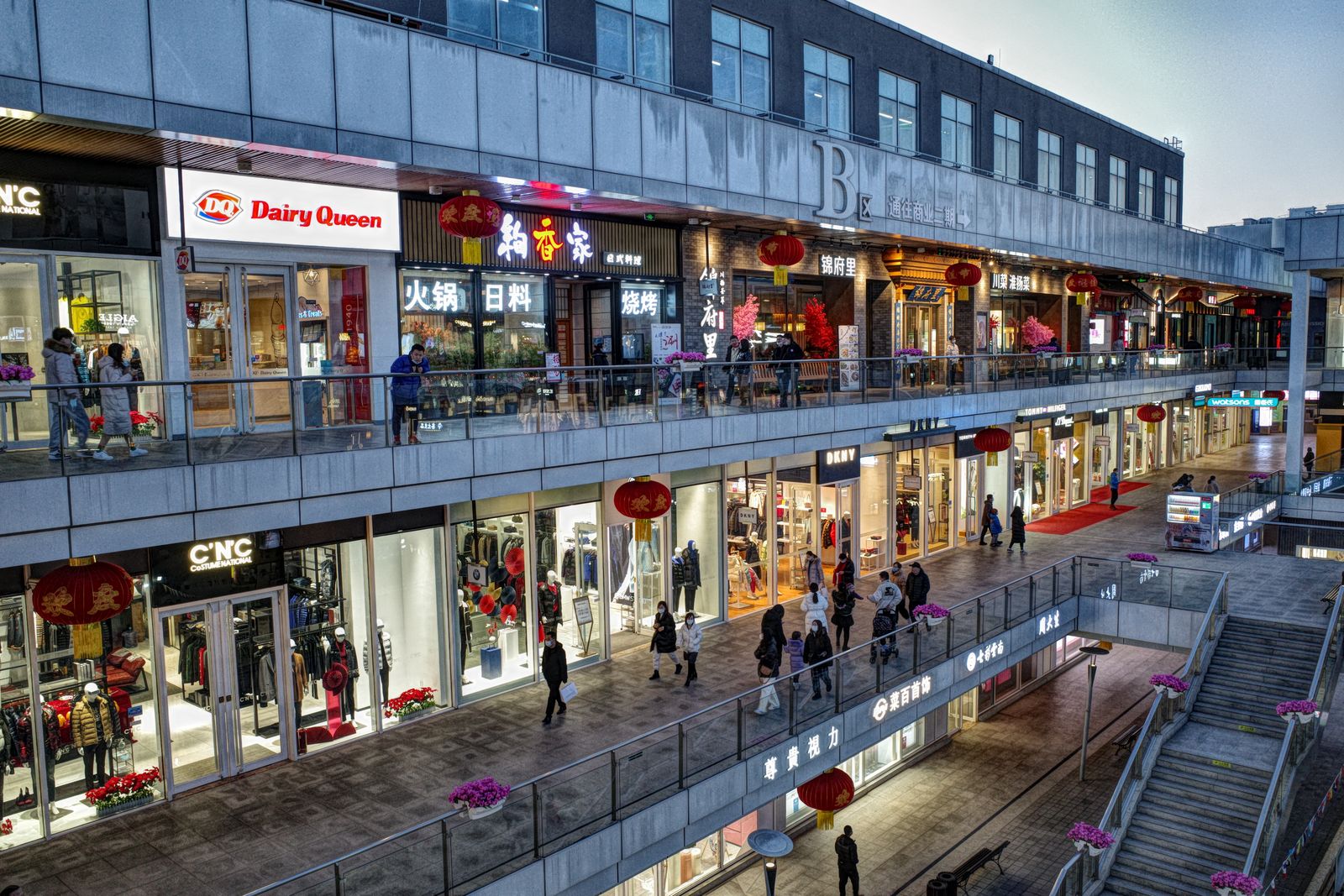
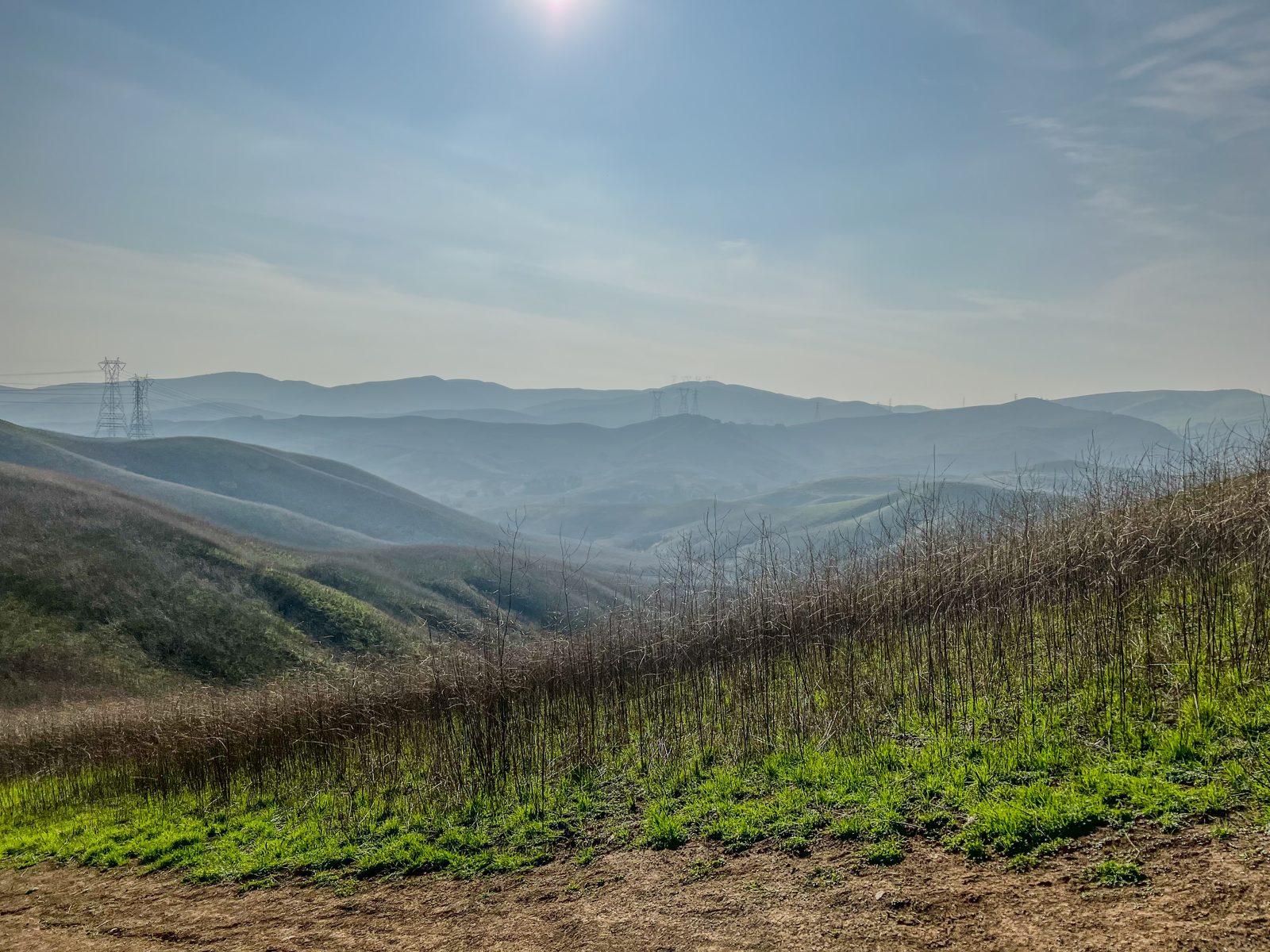
The Shoppes, the state park, and the parks that sit on former grazing and dairy land.
See how the 1980s boom shaped the hills: neighborhood guides
Vellano, Los Serranos, McCoy Equestrian country and the newer hillside tracts, and what each era built there.
Read the longer local reporting: Chino Hills stories
In-depth guides on eating, moving here and understanding how the city actually works day to day.